Unlock the future
Bridging realities with innovation
CLICK TO PLAY THE VIDEO
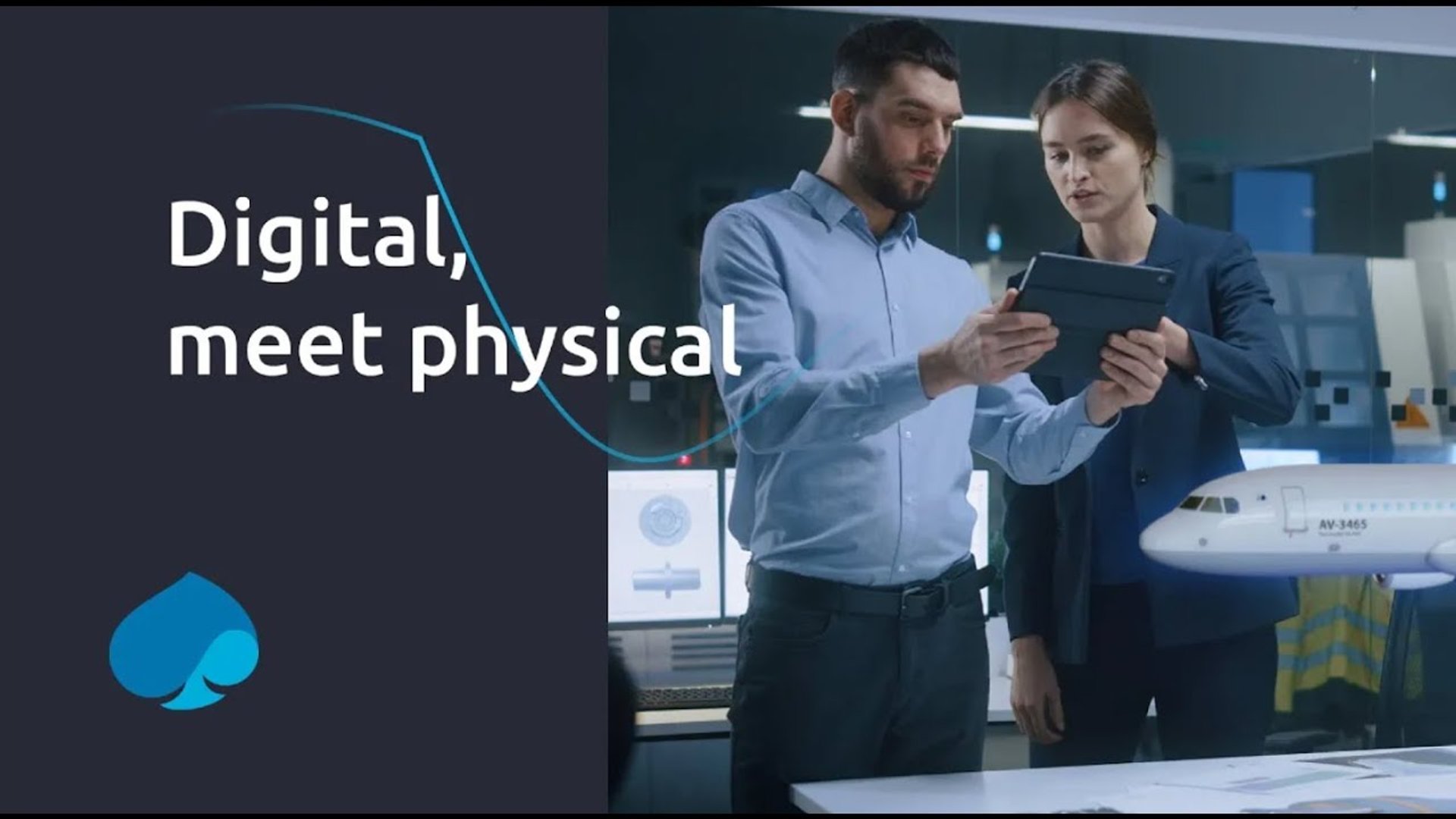
Not long ago, consumers chose products for their hardware. Today, it is the software that delivers much of the value. But while physical and digital products have become more connected and intelligent, and managed at scale via innovative back-end platforms, many could still do a lot more to enhance the experience – i.e., how humans engage with it.
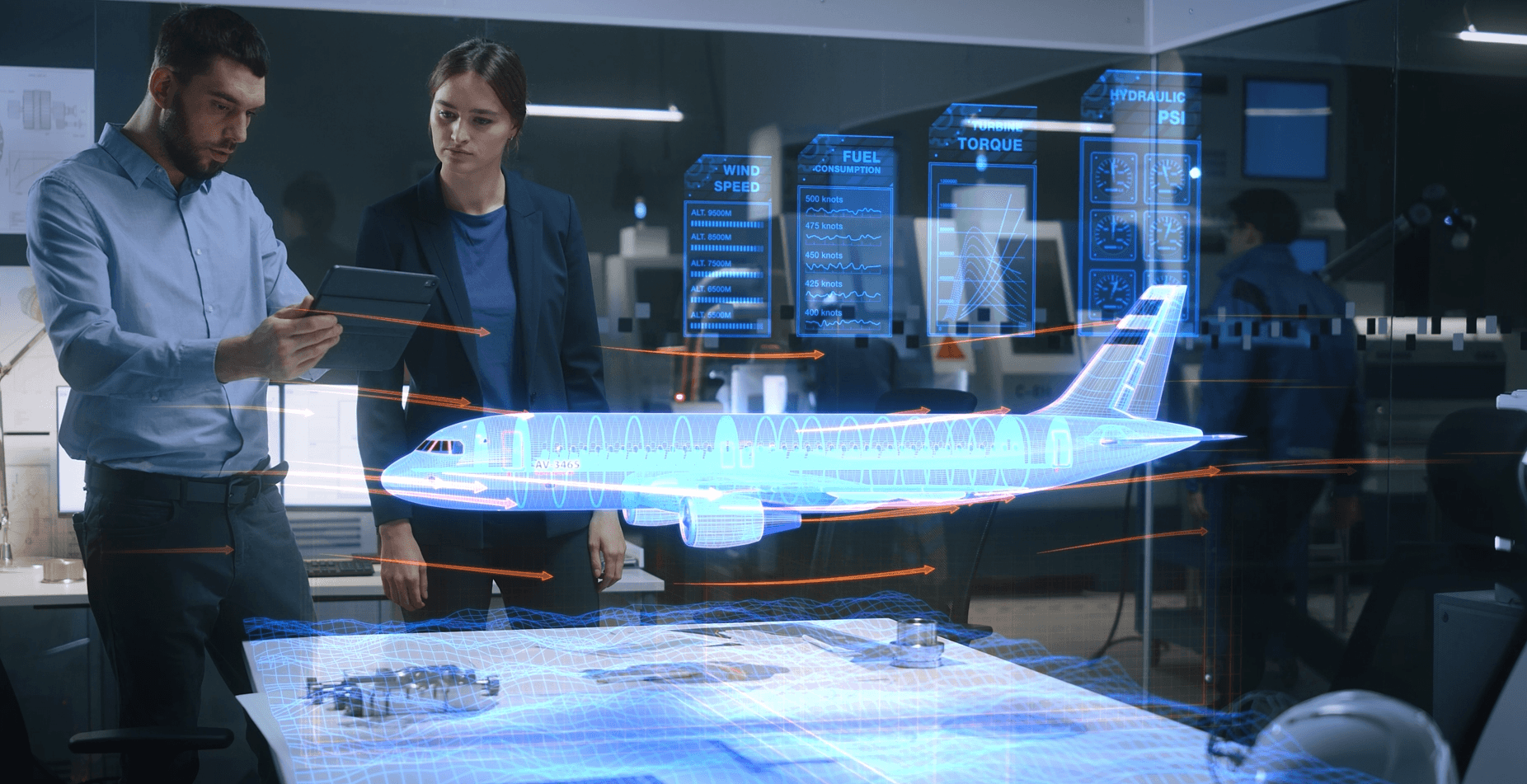
As the digital transformation market surges—from $110 billion in 2023 to a projected $1.7 trillion by 2033—technologies like digital twins, advanced simulations, and real-time 3D (RT3D) experiences are emerging as critical tools for organizations striving to boost efficiency and maintain a competitive edge.
Software Product Engineering (SPE) sits at the heart of digital transformation, enabling organizations to build innovative digital products and platforms. It is a comprehensive suite of capabilities spanning digital product development, embedded software, and scalable platform engineering.
Experience Engineering is the software layer positioned above embedded and digital product software, where immersive and intuitive user experiences are central. It is about translating embedded systems, digital services, and platform data into something users can see, touch, and feel in meaningful ways. At its pinnacle, this layer involves Real-Time 3D (RT3D) experiences that blend physical, digital, and virtual reality into an immersive customer experience aligned with how the brain processes information.
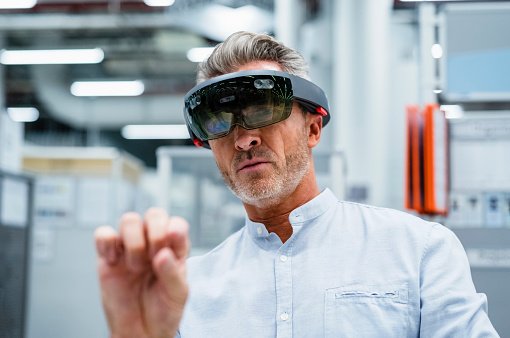
Experience Engineering is the discipline of designing and building the visual, interactive, user-facing layer of software products. It leverages technologies such as real-time 3D graphics, augmented/virtual/extended reality (AR/VR/XR), conversational AI, and responsive multi-channel interfaces, including touch, motion, and voice. However, it also includes integrating these with the platform and embedded software to ensure interfaces are secure and performant (e.g., AR visualization stays in sync with sensor data).
Organizations are evolving towards these digital experiences and AI-driven solutions. Yet, many are stifled by outdated tools and disconnected systems. Experience Engineering addresses these challenges head-on, designing solutions that unify fragmented systems.
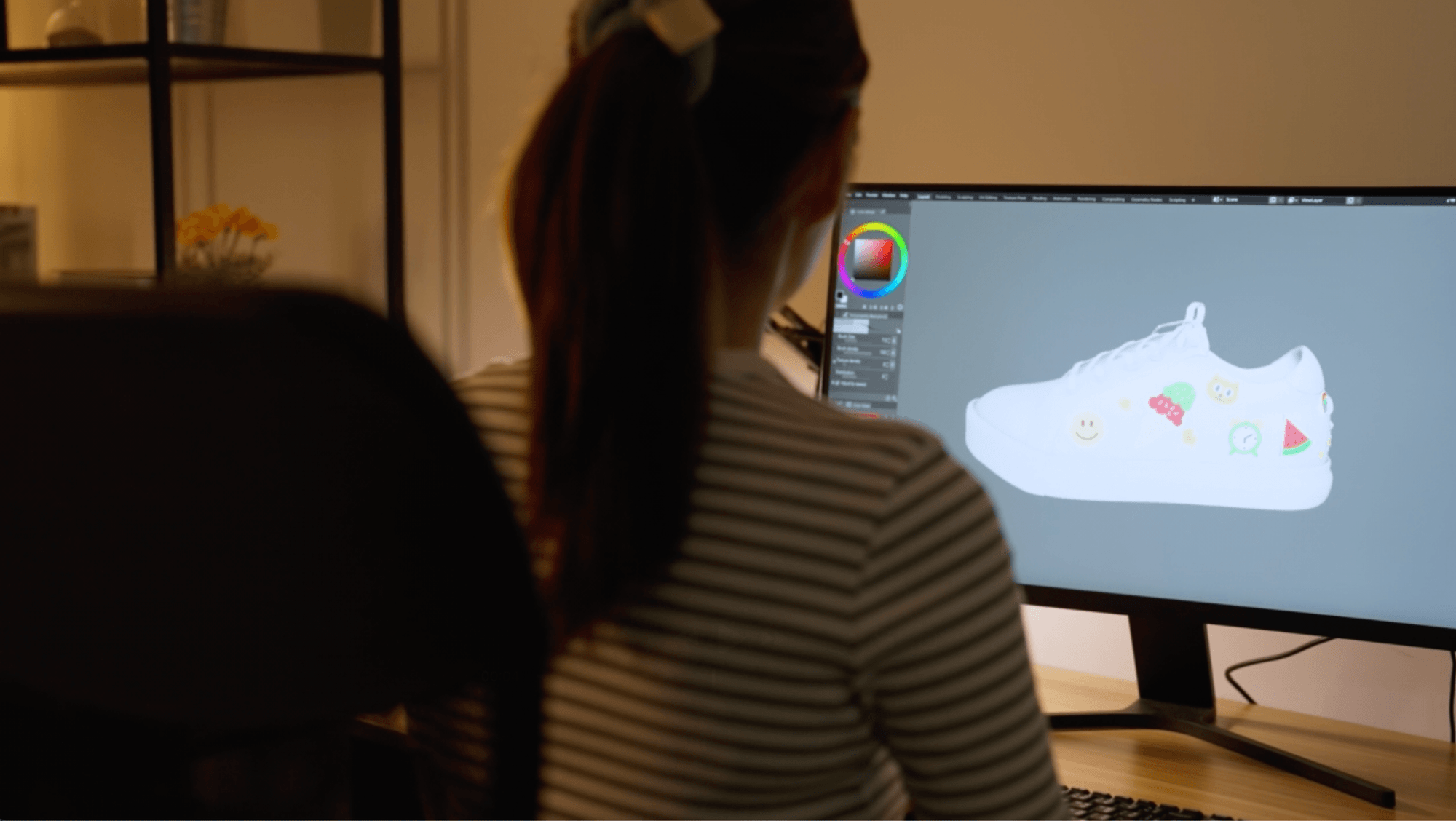
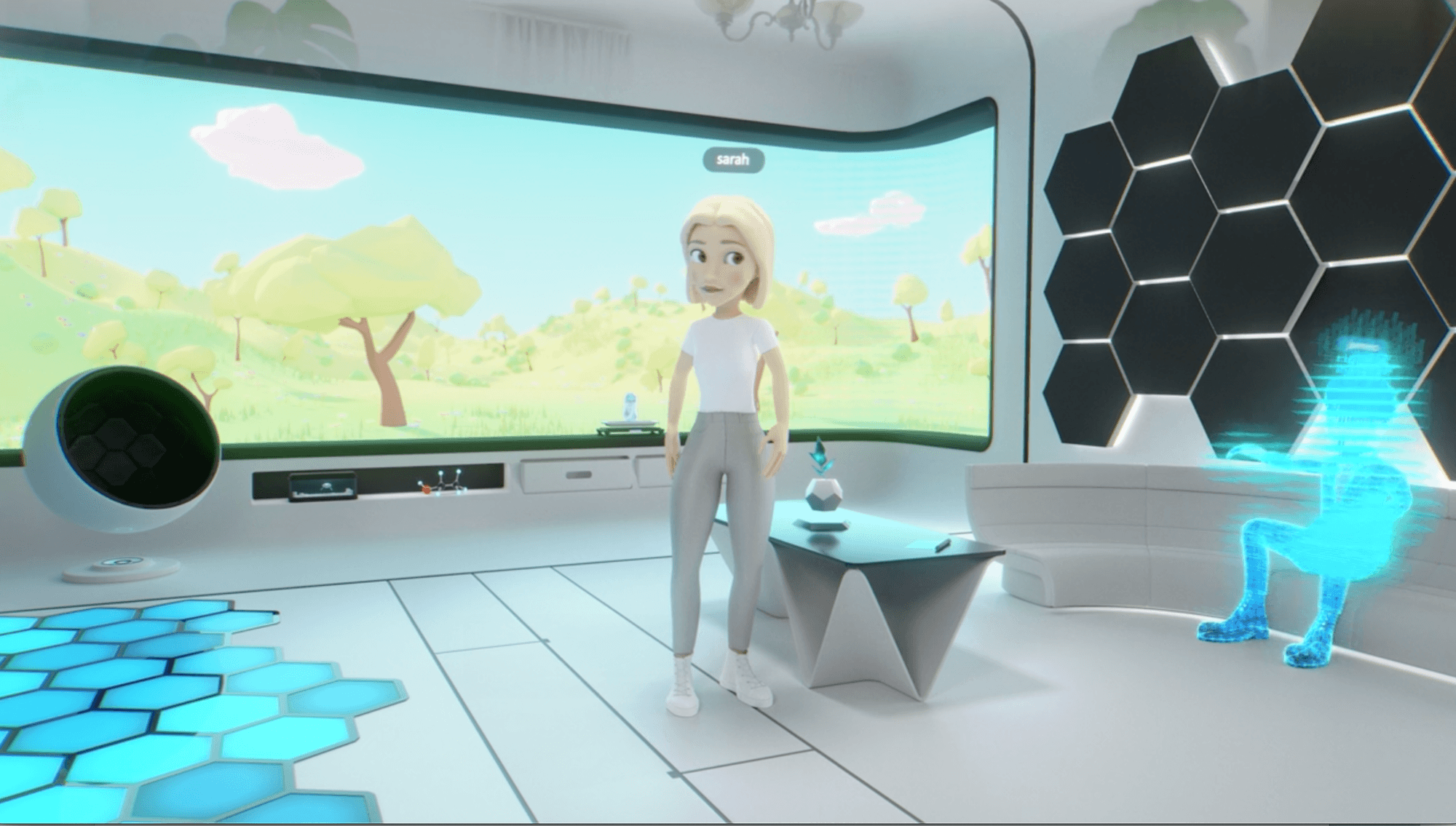
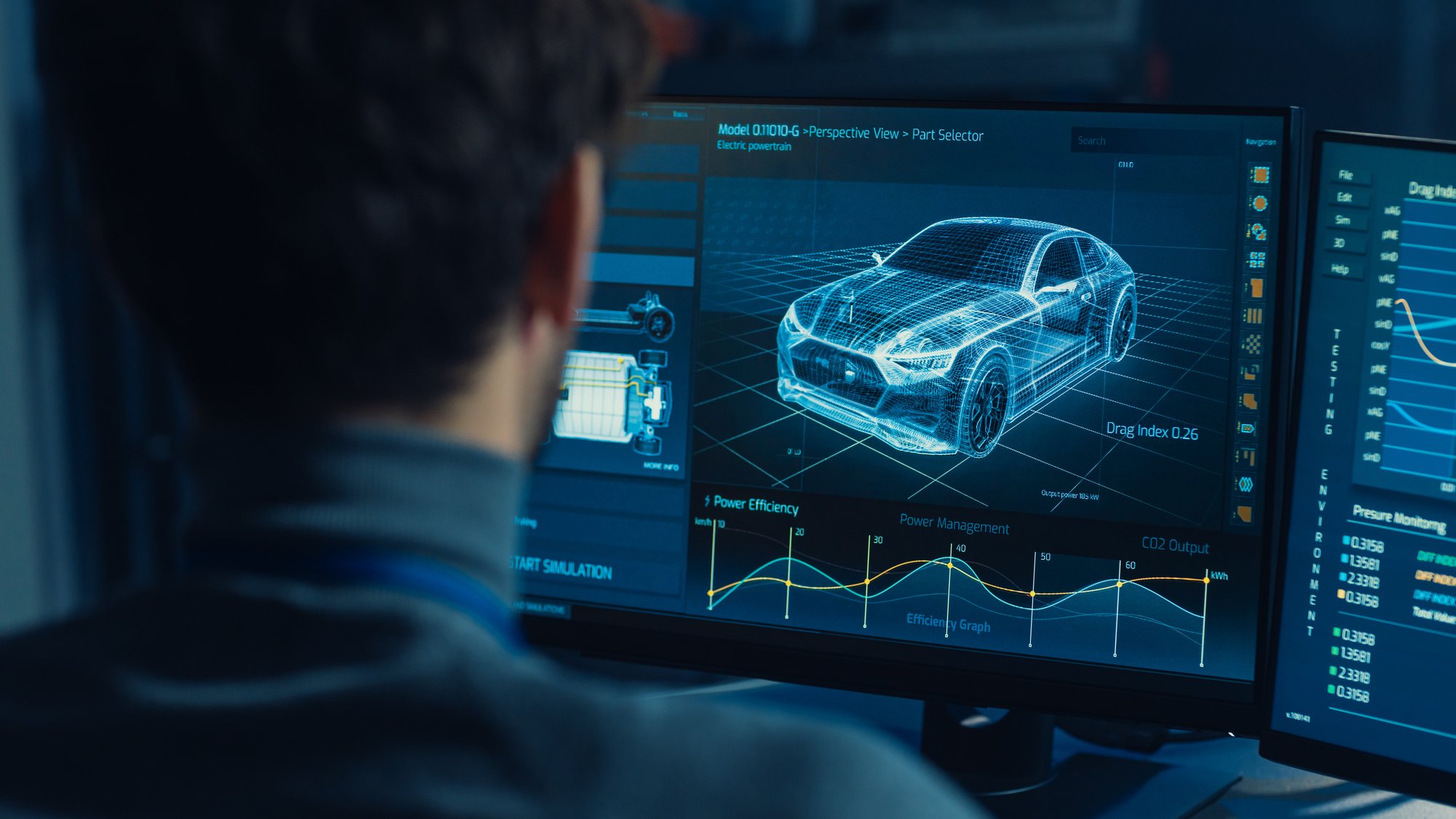
RT3D experiences are the next generation of digital transformation. Many companies already possess sophisticated data models – from virtual products to digital replicas of manufacturing facilities – and are experimenting with early VR and AR applications. Soon, these elements will converge, enabling businesses to create hyper-realistic experiences, such as virtual product showrooms, simulated facilities for hands-on training, and interactive augmented reality displays in vehicles. These innovations are not just enhancements; but strategic differentiators that will optimize processes, reduce costs, and unlock new revenue streams.
Capgemini Engineering is uniquely positioned to guide organizations through this transformative journey, breaking down the barriers between the physical and digital worlds. With deep expertise in engineering, data, and VR design, along with access to cutting-edge RT3D technologies, Capgemini Engineering empowers businesses to create experiences that are not only intuitive and immersive but also drive tangible business outcomes.
Companies already leverage sophisticated data models for design, manufacturing, and management, and extended reality technology is maturing to enable highly realistic, immersive, real-time virtual experiences.
Digital and 3D interfaces that elevate how users interact with products
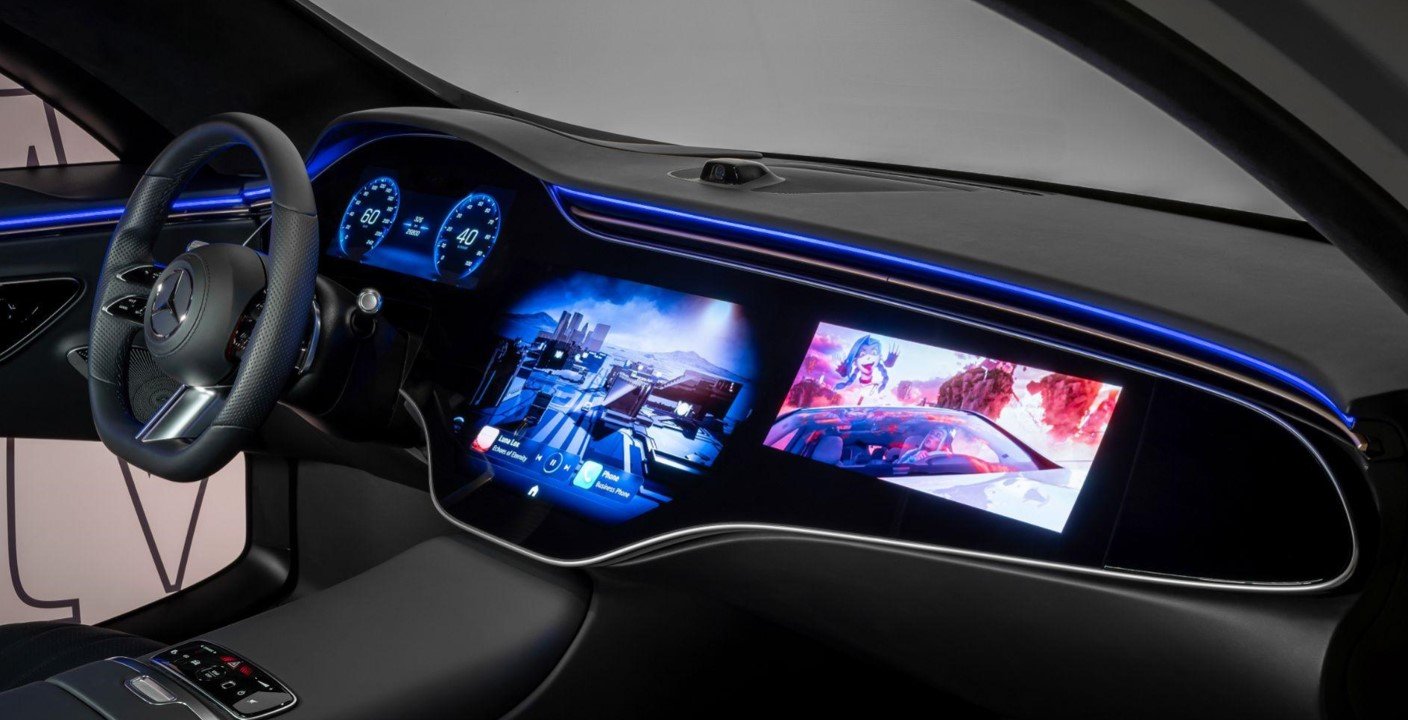
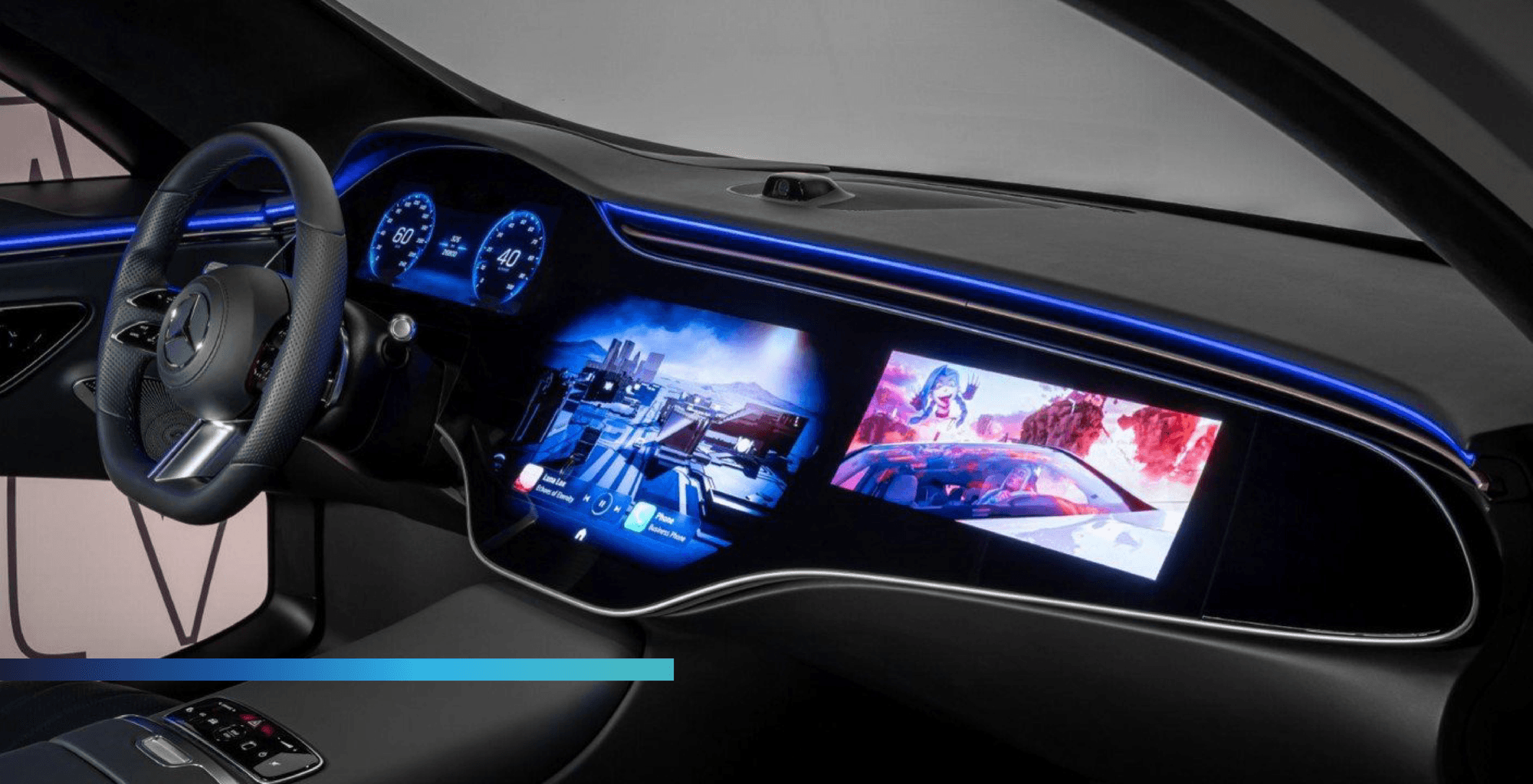
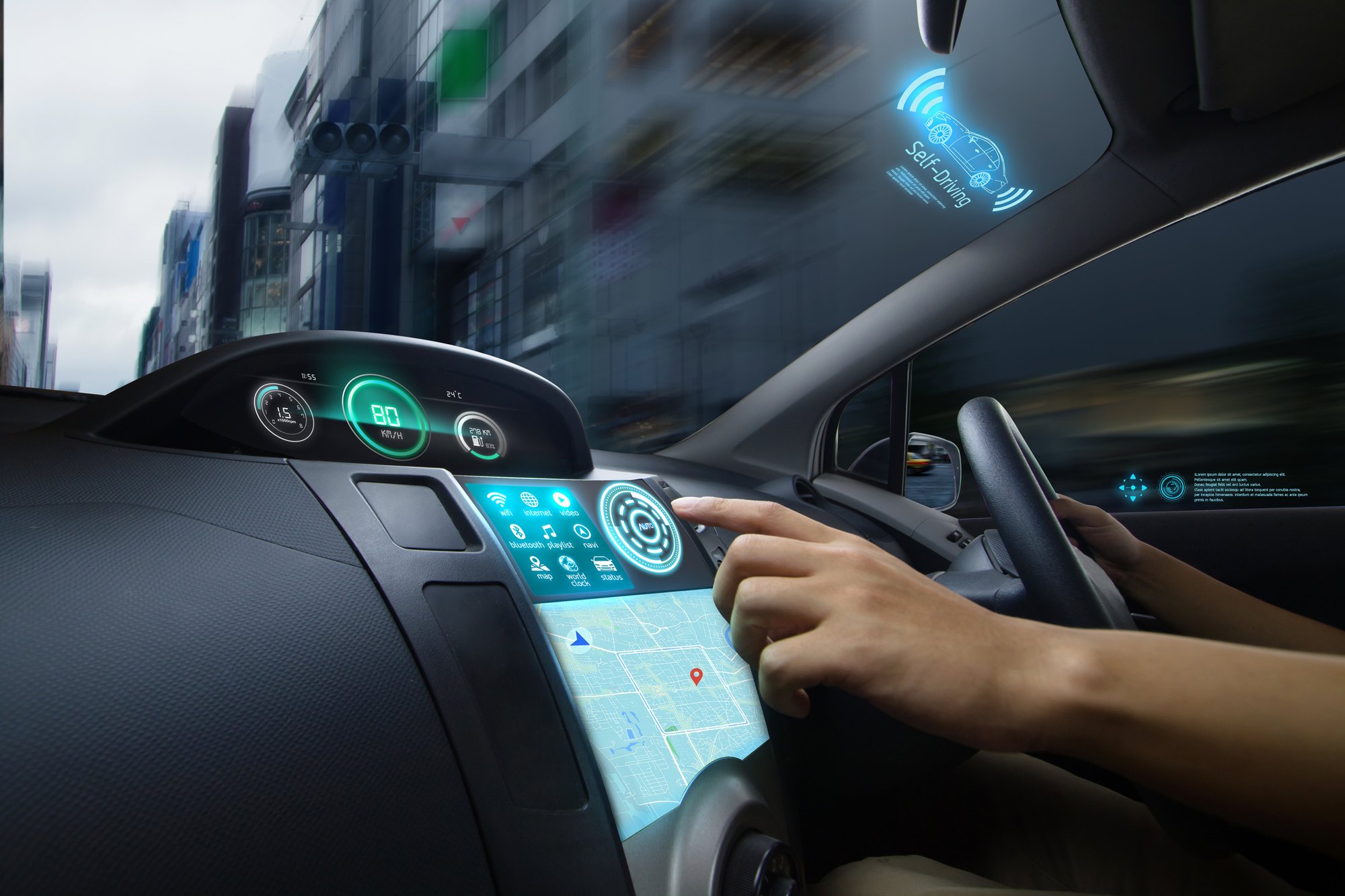
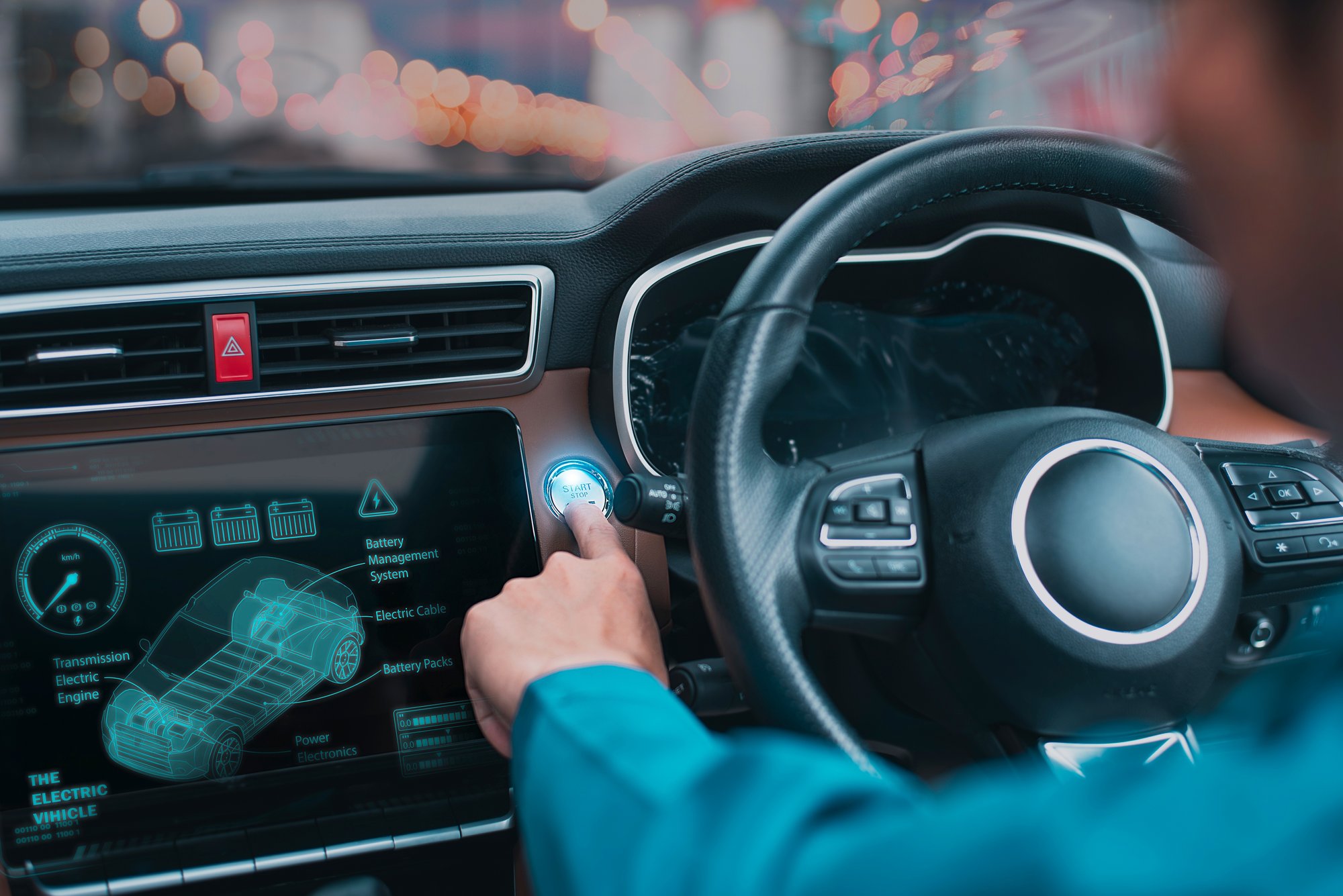
Human-machine interfaces (HMIs) are the digital dashboards where people interact with products. They are smart car interfaces that present immersive maps and vehicle data, factory machine control panels that visually simulate assembly line flows, and in-store kiosks that deliver interactive product previews and virtual try-ons.
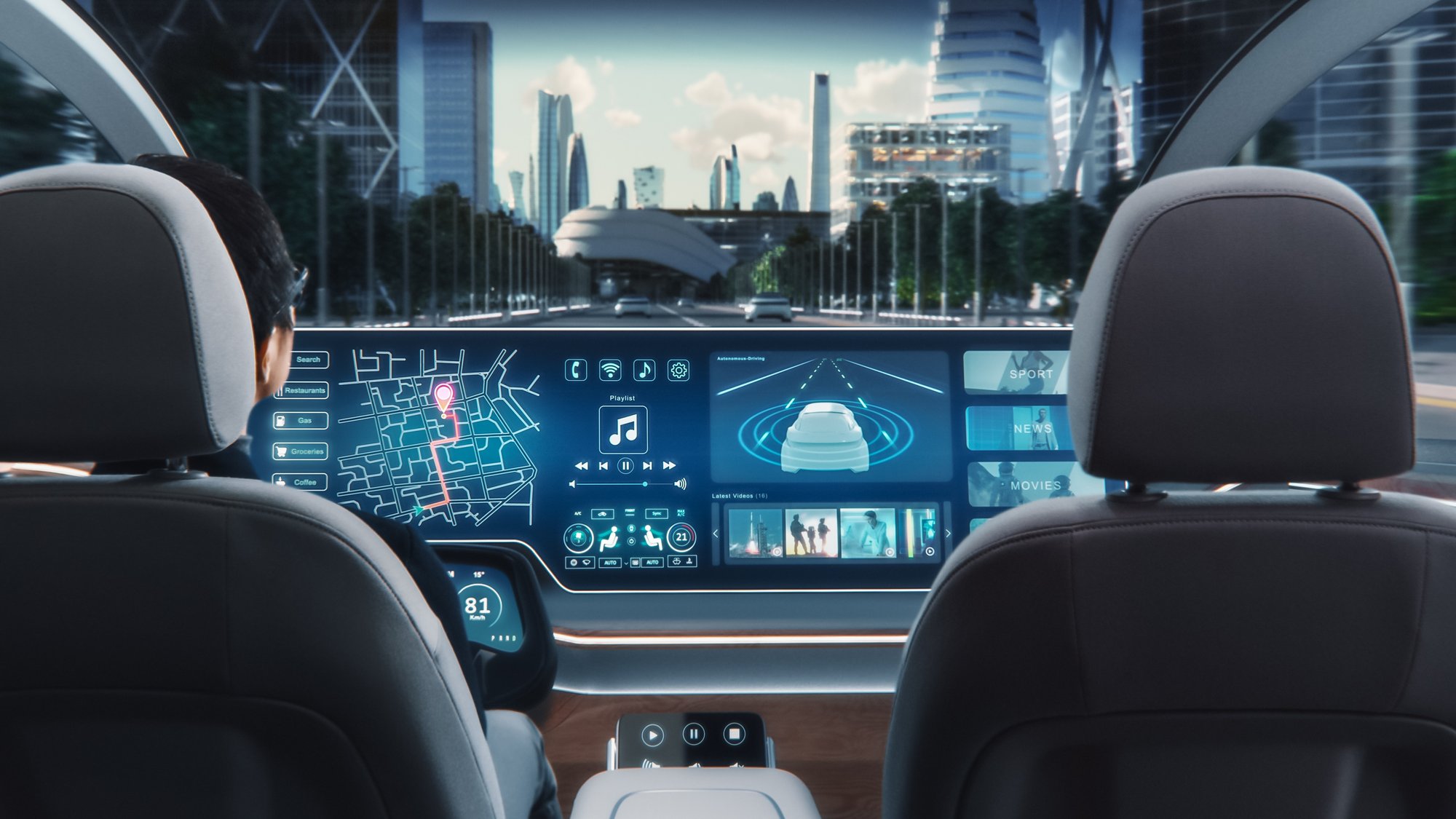
In automotive, we enable the creation of virtual HMI assistants that provide services such as safety-critical information, navigation support, and night driving assistance, while adding an element of luxury to the driving experience. Passenger entertainment solutions include movies and games accessed through VR headsets or augmented interactions with the surrounding environment.
In consumer environments, our RT3D solutions transform digital kiosks and retail displays into engaging, interactive experiences. Imagine a shopping mall where customers can use an augmented reality kiosk to visualize products before purchasing, or a hotel lobby where a digital concierge provides real-time information about local attractions via an interactive screen.
These innovations create new revenue streams and help brands build personalized customer connections.
Yet disjointed systems and underpowered hardware hold back many current solutions. Experience Engineering addresses these challenges by delivering real-time 3D (RT3D) solutions optimized for products with embedded software and low-processing power, which build on existing developer ecosystems. With a customer-centered approach to design, development, and deployment, we streamline every experience from concept to production.
Driver assistance
Next-generation in-car experiences
Assisted driving
A luxury automotive OEM is redefining in-car experiences, incorporating Real-time 3D capabilities into its proprietary operating system. The new operating system platform is the basis for developing proprietary features, including surround navigation, which blends 3D-enhanced real-time navigation with augmented reality, and a Virtual Assistant, which enables voice-activated control of vehicle functions. The innovative approach provides a streamlined design-to-production workflow, that enables RT3D features to be developed and incorporated into new vehicles, delivering next-generation automotive experiences.
A leading Japanese automotive manufacturer set an ambitious vision for the future of in-car experiences. After delivering an innovative HMI proof of concept, it faced the challenge of transitioning to a "Software Defined Vehicle" model. They needed a unified systems integrator to align hardware, software, and design elements seamlessly. Our expert team stepped in to drive the in-house HMI development, while coordinating with the supplier network. We delivered a state-of-the-art toolchain that bridges the gap between prototyping and production. This collaboration has accelerated the manufacturer's product iteration and integration cycles, allowing faster and more efficient development of human-centric vehicle experiences.
An automotive OEM was developing assisted driving solutions. Interaction with the driver via an HMI is key, and 3D visualizations were seen as a powerful way to impart information quickly. But they also knew it would take multiple iterations to get right. We helped them design an in-car HMI development tool, allowing engineers – even those without 3D experience – to create advanced HMI designs and test them in a simulated in-car setting thanks to vehicle sensor data integration. This transformed the HMI design process, enabling faster, data-driven decisions and enhancing the OEM's ability to deliver safer, more responsive automotive experiences ahead of competitors.